Available courses

The Certificate in Office Administration course is designed to equip learners with essential administrative and organizational skills required for modern office environments. The program provides a practical understanding of office operations, communication, record management, customer service, and the use of digital tools to enhance efficiency.

Students will gain hands-on knowledge in office procedures, filing systems, correspondence management, scheduling, and report writing. The course also emphasizes professionalism, teamwork, and ethical conduct in administrative roles.

The Agribusiness Entrepreneurship course is designed to equip students with the skills and knowledge required to identify, develop, and manage profitable agribusiness ventures. It focuses on transforming agricultural activities into sustainable business enterprises through innovation, value addition, and effective management practices.

The course introduces learners to key areas such as agricultural value chains, agribusiness planning, financial management, marketing strategies, agribusiness technologies, and access to markets. Emphasis is placed on entrepreneurship mindset development, risk management, and leveraging opportunities in the local and global agricultural sector.

By the end of the course, students will be able to:

  • Understand the fundamentals of agribusiness and entrepreneurship.

  • Develop and evaluate business ideas within the agricultural sector.

  • Prepare agribusiness plans and proposals for funding and investment.

  • Apply principles of financial and risk management in agribusiness operations.

  • Implement marketing and value addition strategies to increase competitiveness.

  • Utilize ICT and modern technologies for agribusiness growth.

  • Explore opportunities in local, regional, and international agricultural markets.

This course prepares students for careers as agribusiness entrepreneurs, farm managers, agribusiness consultants, and project coordinators, while also empowering them to create self-employment opportunities within the agricultural sector.

The Records Management course is designed to equip students with the knowledge and practical skills required to effectively manage records in both physical and electronic formats. It covers principles, policies, and best practices that ensure records are systematically created, organized, maintained, retrieved, and preserved throughout their lifecycle.

Students will learn about the importance of records as vital organizational assets, legal and regulatory compliance requirements, and the role of modern technologies in managing records efficiently. The course emphasizes the application of professional standards and ethical practices in records management within public, private, and non-governmental institutions.

By the end of the course, students will be able to:

  • Understand the principles, functions, and significance of records management.

  • Develop and implement records management policies and procedures.

  • Apply techniques for classification, storage, retrieval, and disposal of records.

  • Use electronic records management systems (ERMS) and appreciate the role of ICT in records management.

  • Ensure compliance with legal, regulatory, and organizational frameworks.

  • Maintain confidentiality, security, and integrity of organizational information.

This course prepares students for careers as Records Officers, Archivists, Information Managers, Administrative Assistants, and other related positions in both traditional and digital information environments.

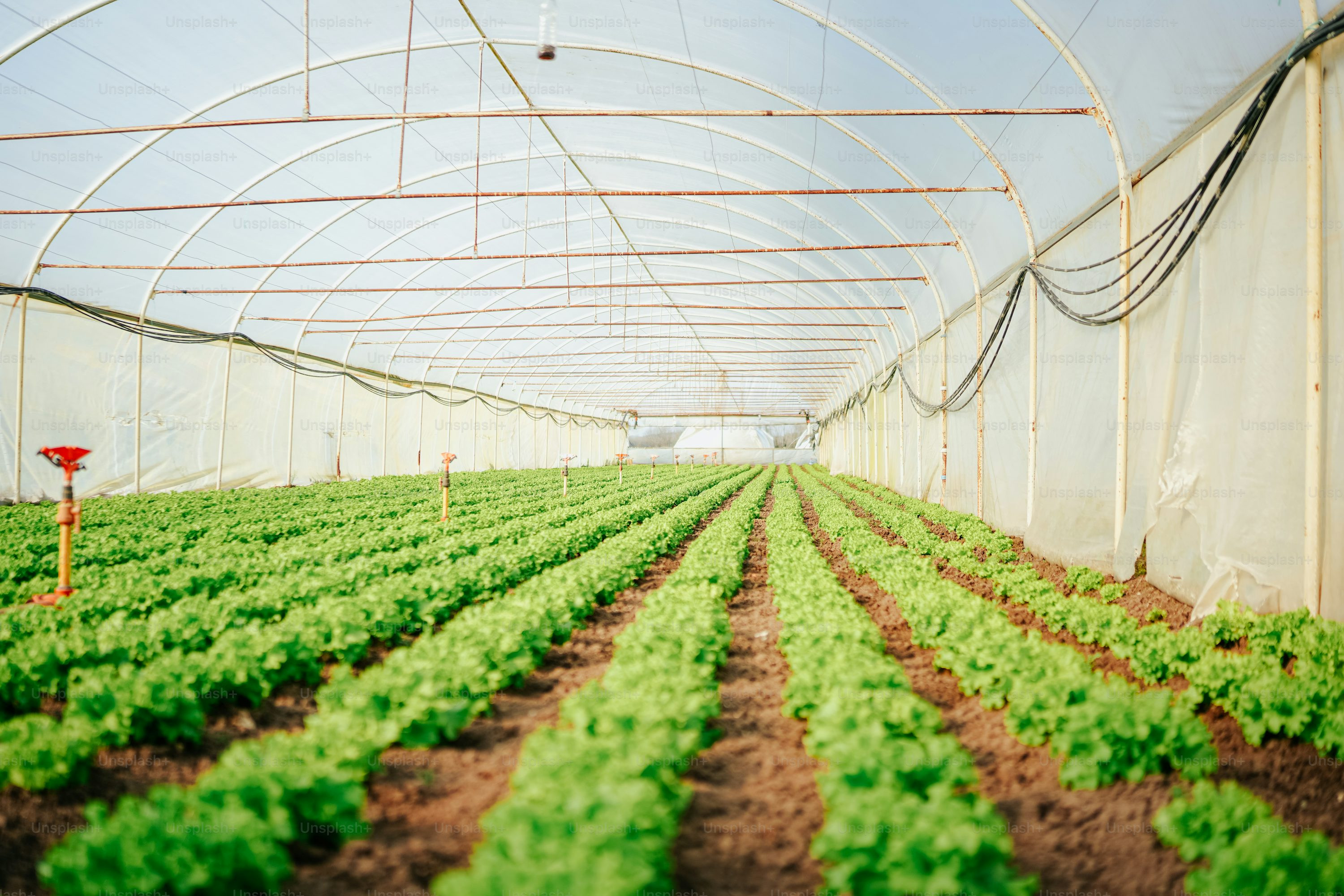
This short course provides learners with practical and theoretical knowledge in crop production and horticulture. It covers the fundamentals of soil management, crop growth, pest and disease control, and sustainable farming practices. Learners will also gain hands-on skills in cultivating fruits, vegetables, and ornamental plants, with emphasis on modern techniques that improve yield and quality. The course is ideal for farmers, agribusiness entrepreneurs, and anyone interested in agricultural productivity and food security

Welcome to the Southway Infotech Digital Library, a centralized platform for accessing academic and professional resources offered by Southway Infotech Institute. This digital library is designed to support your learning, teaching, and research needs by providing a well-organized collection of eBooks, lecture notes, video tutorials, past examination papers, and other reference materials.

🔎 How to Use:
Browse by category using the topic sections. Resources are organized in folders, files, and links for easy access. If you are looking for something specific, use the search bar or reach out via the suggestions section.

This 2-week intensive course equips aspiring entrepreneurs with essential skills to start, manage, and grow a business. It covers idea generation, business planning, finance, marketing, and leadership through interactive sessions, case studies, and practical exercises, helping participants confidently turn ideas into reality.

"Computer Studies: Your Gateway to the Digital Universe! 🌍💡 Dive deep into the world of computing - Build a strong foundation in hardware, software, and problem-solving skills that will open doors to innovation, creativity, and career opportunities. From browsing to building.

start your tech journey here—because the future is digital, and it starts with you!" 

Course Description:

This comprehensive OHS course is designed to provide participants with the knowledge and skills necessary to identify, assess, and control workplace hazards, ensuring a safe and healthy working environment.

Data Analysis is the technique of collecting, transforming, and organizing data to make future predictions and informed data-driven decisions. It also helps to find possible solutions for a business problem.

Python is a popular multi-purpose programming language widely used for its flexibility, as well as its extensive collection of libraries, which are valuable for analytics and complex calculations.

This course introduces students to the fundamental tools and techniques for data analysis using Python, one of the most in-demand skills in today's data-driven world. Students will learn how to collect, clean, analyze, and visualize data using powerful Python libraries such as Pandas, NumPy, Matplotlib, and Seaborn.

The course emphasizes practical, hands-on learning with real-world datasets to build skills that are directly applicable in business, research, and technology settings. By the end of the course, students will be able to conduct comprehensive data analysis, generate meaningful insights, and create visual reports.

Offensive Security Certificate

The Sustainable Agriculture course equips learners with the knowledge and skills to practice environmentally friendly, economically viable, and socially responsible farming. It focuses on agricultural practices that conserve natural resources, enhance biodiversity, and maintain soil fertility while ensuring food security and farm profitability.

The course introduces principles of sustainability in crop and livestock production, soil and water management, integrated pest management, agroforestry, climate-smart agriculture, and renewable energy use in farming. Emphasis is placed on balancing productivity with ecological health and community well-being.

By the end of the course, students will be able to:

  • Understand the principles and importance of sustainable agriculture.

  • Apply soil, water, and biodiversity conservation techniques.

  • Integrate crop and livestock systems for efficiency and sustainability.

  • Implement climate-smart and organic farming practices.

  • Use integrated pest and disease management strategies.

  • Explore renewable energy and green technologies in agriculture.

  • Develop farm strategies that promote long-term resilience and profitability.

This course prepares learners for careers as sustainable farm managers, agricultural consultants, extension workers, agripreneurs, and advocates for environmentally responsible farming systems.

The Agribusiness and Farm Management course provides learners with the knowledge and practical skills needed to plan, manage, and operate profitable agricultural enterprises. It integrates modern farm management practices with agribusiness principles to equip students with the ability to make sound decisions that enhance productivity, sustainability, and profitability.

The course covers farm planning and organization, resource allocation, record keeping, financial management, marketing, value addition, and the use of modern technologies in agriculture. Learners will also gain insights into risk management, farm budgeting, and sustainable farming systems that align with market demands.

By the end of the course, students will be able to:

  • Understand the principles of agribusiness and farm management.

  • Develop farm business plans and budgets.

  • Apply effective methods of managing land, labor, capital, and equipment.

  • Implement record-keeping systems for monitoring farm performance.

  • Analyze production costs and market trends to guide decision-making.

  • Apply risk management and sustainability practices in farm operations.

  • Explore agribusiness opportunities across value chains and markets.

This course prepares students for careers as farm managers, agribusiness entrepreneurs, consultants, and agricultural extension officers, while also equipping them to establish and manage their own successful farming ventures.

The Goats and Pigs Farming Management course equips learners with the knowledge and practical skills required to successfully rear, manage, and commercialize goat and pig farming enterprises. It focuses on sustainable livestock production practices that improve productivity, animal health, and profitability.

The course covers essential topics such as breeds and breeding systems, housing design, feeding and nutrition, disease prevention and control, reproductive management, record keeping, and marketing strategies. Students will also learn about value addition, farm economics, and modern technologies in livestock farming.

By the end of the course, students will be able to:

  • Identify suitable breeds of goats and pigs for meat, milk, and breeding purposes.

  • Design and manage housing systems that ensure animal welfare and productivity.

  • Develop feeding programs based on nutritional requirements at different growth stages.

  • Recognize, prevent, and treat common diseases in goats and pigs.

  • Apply reproductive management practices for herd and litter improvement.

  • Keep accurate production and financial records for farm planning.

  • Explore value addition and market opportunities for goat and pig products.

This course prepares learners for careers as livestock farmers, farm managers, extension officers, and agribusiness entrepreneurs, with a focus on creating profitable and sustainable goat and pig farming enterprises.

The Poultry Production and Management course provides students with practical and theoretical knowledge on modern poultry farming practices. It is designed to equip learners with the skills necessary to establish, manage, and sustain profitable poultry enterprises while ensuring animal health, productivity, and food safety.

The course covers key aspects of poultry farming, including breeds and breeding, housing, feeding and nutrition, disease prevention and control, biosecurity, record keeping, and marketing strategies. Emphasis is placed on best management practices, efficient resource use, and compliance with industry standards to meet both local and international market demands.

By the end of the course, students will be able to:

  • Understand poultry breeds, production systems, and management practices.

  • Design and manage poultry housing and equipment for efficiency.

  • Formulate balanced rations and implement effective feeding programs.

  • Identify, prevent, and control common poultry diseases.

  • Apply biosecurity measures to ensure flock health and safety.

  • Maintain production and financial records for effective decision-making.

  • Develop business and marketing strategies for sustainable poultry enterprises.

This course prepares students for careers as poultry farmers, farm supervisors, agribusiness entrepreneurs, extension workers, and consultants in the poultry industry.